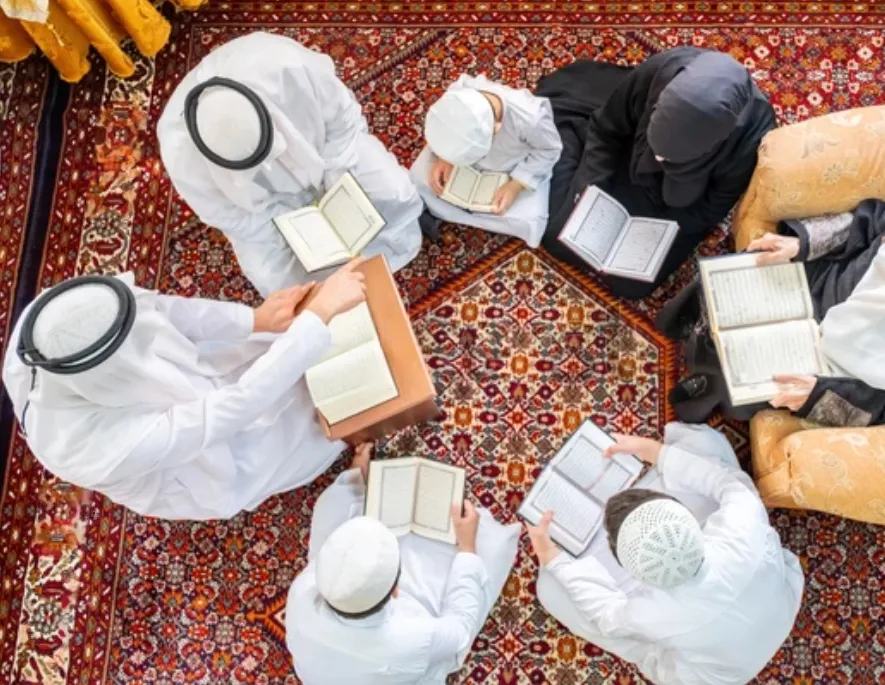
Muslim parents in the USA can support their children's Quran learning through a home routine, suitable instruction and community connection. Families differ in language, local resources and school commitments. The source contrasted American and Arab households, but neither location nor ethnicity determines a child's ability to learn.
Start by identifying the child's reading level and the support the family can provide. Combine short practice with correction and meaningful explanation. The following ten approaches preserve the source's practical suggestions without promising that any one provider guarantees fluent reading or strong faith.
Table of Contents
Ten Ways to Support Children’s Quran Learning
1. Find a Suitable Tutor
Ask a local mosque or community centre about teachers and part-time classes, or consider online tuition when travel is difficult. The source suggested searching for an Egyptian Quran teacher; nationality alone does not establish competence. Look for relevant Tajweed knowledge, experience with children and clear communication in a language the child understands.
Meet the tutor to discuss age, current skills and the family's circumstances. Ask how mistakes are corrected and progress is reviewed rather than relying only on a claim of certification.
2. Compare Online Classes
Online tuition may avoid travel and offer practical timing around school. Check whether lessons cover Qaida, recitation and Tajweed, how much individual attention is available, and whether a trial is actually offered. A colourful interface does not by itself establish teaching quality.
For children's Quran lessons, look for relevant teacher preparation, patient correction and age-appropriate activities. Review the course details and use a trial to see how the teacher responds to your child's needs. Related guidance: Talqeen course information.
3. Introduce Qaida Foundations
A Noorani Qaida book from an Islamic bookshop, a suitable digital edition or guided app can introduce letters, vowels and joining. Practise briefly each day, with corrected pronunciation. Parents may learn alongside the child, but should not teach a sound they cannot confidently check. See teaching Qaida to children.
4. Establish a Manageable Routine
The source suggested after-school or before-bed sessions of twenty to thirty minutes, with breaks if needed. Adapt these examples to attention, sleep and homework. Agree on a few ayahs or a particular rule with the teacher, use a calendar to record checked work, and choose a quiet place.
A routine should include old material as well as new reading. It need not be the same length every day or become a reason to pressure a tired child.
5. Connect with Other Learners
Mosque classes, weekly halaqas, suitable recitation events and meetings with other families may create a sense of belonging. Small home groups can take turns reading and encourage one another. Confirm actual local availability and provide appropriate adult supervision. Peer practice complements qualified feedback.
6. Use Digital Activities Purposefully
The source named Muslim Kids Series, Ayat and Noorani Qaida apps. These are retained resource suggestions, with current availability and features needing checking. Look for understandable audio, age-appropriate activities and a clear learning task. Supervise use and agree on a time limit rather than assuming all religious screen time is effective.
7. Apply Basic Tajweed
Introduce letter sounds and the relevant reading marks through Qaida or suitable workbooks, supported by a teacher. Al-Muzzammil 73:4 calls for measured Quran recitation. Rules need demonstration and practice; a native Arabic tutor does not automatically ensure perfect recitation. See Tajweed foundations.
8. Share Quranic Stories
Age-appropriate books, videos or discussion can connect reading with values. The source's three examples are retained as themes, not complete accounts of the narratives.
| Story example | Theme for discussion |
|---|---|
| Yunus and the fish | Turning to Allah, patience and reliance |
| Musa and Pharaoh | Faith and resistance to oppression |
| Yusuf's journey | Forgiveness and family relationships |
Discuss a lesson at bedtime or during family time, checking details against reliable teaching. The educational aim is understanding, not simply entertainment.
9. Recognise Effort and Milestones
The source suggested stickers or favourite snacks for toddlers; books, toys or playtime for school-age children; and gadgets, gift cards or family outings for teenagers. Choose modest, suitable encouragement within the family's means. Praise effort, accurate review and corrected mistakes as well as a completed surah.
10. Read Together at Home
Let family members take turns, practise a short passage and share a meaning. Al-Fatihah can introduce discussion of prayer and asking Allah for guidance. Corrections should come from someone capable of making them; ask the tutor when uncertain. Shared sessions can support religious learning without replacing individual instruction.
Raising Children with Islamic Values in the USA
Families may encounter peer pressure, media influences or cultural differences while also finding supportive schools and communities. A caring home, regular learning and positive relationships offer practical support. A parent's consistency matters, but cannot guarantee every child's future response or remove all challenges.
Choose teaching based on the child's needs and the quality of the actual lesson. Use a flexible timetable to balance Quran practice, school and rest, and adjust it as the child develops. Related guidance: a children's timetable.
 Talqeen Academy
is a globally recognized platform for learning the Quran, Arabic,
and Islamic Studies through personalized one-on-one online sessions with expert tutors.