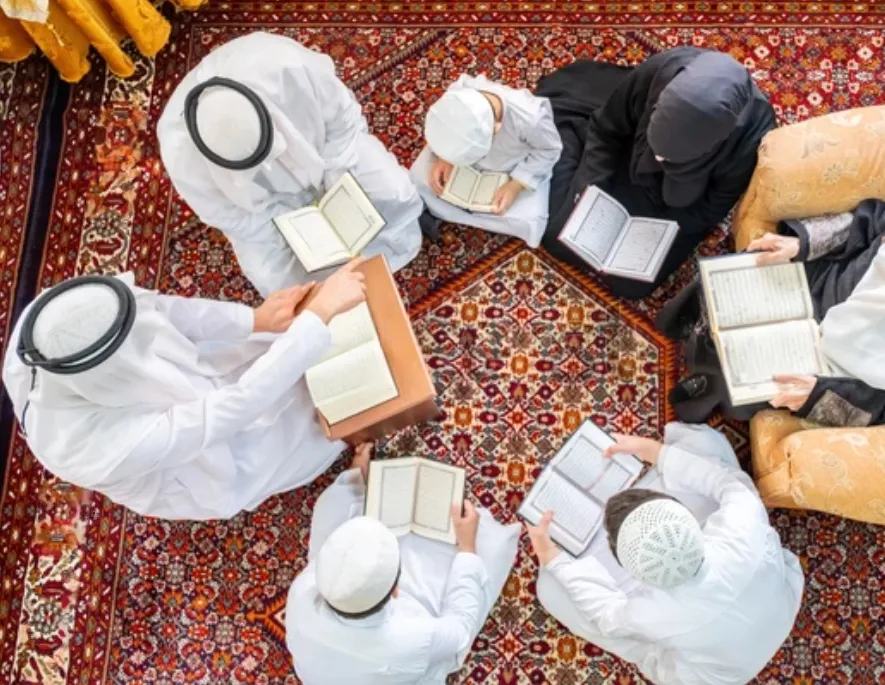
Children can enjoy Quran learning when a lesson gives them a clear task, a chance to participate and encouragement suited to their age. Stories, flashcards, revision charts and shared reading can make practice more inviting without replacing accurate recitation or teacher feedback.
The following ten activities help parents vary practice at home. Choose the ones that fit the teacher’s current lesson and your child’s interests. For a broader routine, read ten ways to support children’s Quran reading and memorisation.
Table of Contents
10 Engaging Quran Learning Activities
1. Introduce lessons through Quranic stories
A short, age-appropriate account can connect a passage with an understandable theme. Ask the child what they noticed and explain the lesson calmly. Keep the account faithful to a suitable source rather than inventing dialogue or presenting imagined details as Quranic facts.
| Story | Topic for discussion | Simple learning connection |
|---|---|---|
| Nuh and the Ark | Patience and trust in Allah | Discuss continuing to do what is right when it is difficult. |
| Musa and the sea | Courage and Allah’s miraculous help | Talk about reliance on Allah in a frightening situation. |
| Yusuf: from imprisonment to authority | Faith and perseverance | Reflect on patience through changing circumstances. |
Use a small story segment rather than a lengthy lecture. Follow it with a question or a suitable reading task so the child stays involved.
2. Make Qaida flashcards
Write a large Arabic letter or reading pattern on each card. Show one target, say it accurately and ask the child to recognise or repeat it. Mix familiar cards with the new one for a matching game.
The source refers to Lesson 1 for the alphabet and Lesson 3 for harakat. Lesson numbering varies between Qaida editions, so follow your child’s actual book. Use flashcards to practise the current letters or vowel signs rather than introducing an unrelated sequence.
For a fuller plan, see teaching Noorani Qaida to young children.
3. Connect a short dua with its meaning
A simple hand movement can serve as an optional memory aid when explaining meaning. For example, point towards the head while discussing رَبِّ زِدْنِي عِلْمًا, the request for increased knowledge in Ta-Ha 20:114.
The source also suggests pointing towards the heart while practising رَبَّنَا لَا تُؤَاخِذْنَا إِن نَّسِينَا أَوْ أَخْطَأْنَا, the request not to be taken to account for forgetting or making a mistake, in Al-Baqarah 2:286.
These movements are teaching aids, not prescribed ritual gestures. Keep the Arabic wording accurate and make sure the child hears the actual pronunciation.
4. Create a small progress chart
Divide a manageable target into parts and mark each reviewed section with a sticker. A chart can make improvement visible without comparing the child with another learner. Include revision so the chart does not reward only new memorisation.
For Al-Asr, a clock-themed chart or a simple drawing can introduce discussion of time. Divide the practice into appropriate ayah portions and explain a suitable meaning. Keep the activity tied to what the child is learning rather than requiring elaborate craft work.
5. Preview suitable learning apps
The source names “Quran for Kids” for audio or meaning-matching activities and “Noorani Qaida by Iqra Tech” for alphabet and vowel practice. Verify the current publisher, exact product and features before choosing either; the descriptions here are examples from the source, not confirmation of current availability or quality.
Try the activity yourself, check the audio and supervise your child. Games can reinforce a lesson, but a teacher should still assess pronunciation and understanding. Explore Talqeen Academy’s course options if you want guided instruction alongside home practice.
6. Listen together to a suitable recitation
The source suggests recordings by Mishary Rashid Alafasy, Saad Al-Ghamdi and Abdul Basit Abdul Samad. Select an actual recording that is clear and suitable for the task; not every recording has the same pace or style.
Begin with a small portion of Al-Fatihah or Al-Ikhlas, follow the written text when possible and pause for careful repetition. Listening during a calm activity can introduce familiarity, but passive exposure alone does not demonstrate correct reading or memorisation. Include attentive practice and feedback.
7. Practise Arabic writing or simple calligraphy
Colourful pens, paint or careful tracing can make Arabic word recognition engaging. Start with clear, readable forms rather than complicated artistic shapes. The source offers five examples:
- الله — Allah.
- الحمد — al-hamd, meaning praise. The full phrase “Alhamdulillah” is الحمد لله; the shorter word alone should not be labelled as the whole phrase.
- محمد — Muhammad.
- سورة — surah.
- قرآن — Quran.
Read each word accurately with the child and handle written Quranic material respectfully. Writing practice complements recitation, but the child still needs to hear and produce the sounds.
8. Include siblings or friends in suitable activities
A small group can provide encouragement and a sense of shared effort. Take turns reading, ask simple review questions or play a matching game. Friendly competition should remain optional and should not shame a slower learner.
The source proposes activities based on stories, including acting out their lessons. Use suitable educational role-play for themes such as patience or kindness without presenting invented scenes as part of the Quran. Let each child contribute at their own level and check individual recitation when needed.
9. Make Quran reading part of family time
Set aside a realistic shared time to listen, read or review. Parents can model attention and show that Quran learning has a place in ordinary family life. A brief routine that the family maintains is more useful than an occasional demanding session.
The source refers generally to research linking family involvement and positive learning attitudes, but gives no identified study. Treat family participation as a practical support, not a guaranteed research-based outcome. Notice what helps your child and adjust the routine accordingly.
10. Celebrate effort and suitable milestones
A storybook, small toy, treat or family outing can mark an achievement. A simple Quran celebration with friends or relatives may also acknowledge a completed target. Keep the event supportive and avoid turning recitation into a stressful public test.
- Choose a reward that fits the family’s circumstances.
- Recognise careful revision as well as newly memorised material.
- Praise patience and improvement with specific words.
- Avoid comparing children’s achievements or increasing rewards for every task.
The long-term aim is a positive relationship with learning, not dependence on prizes.
Combine Enjoyment with Accurate Practice
Choose one or two activities for the current target, then let the child read or repeat the material accurately. Stories support meaning, flashcards support recognition and charts support routine. None should displace the teacher’s correction or the review of earlier passages.
A practical session might include a brief familiar review, a small new task and an encouraging finish. Shorten it if the child becomes tired. Continue with ways to encourage children during Quran memorisation for a revision-focused plan.
Keep Quran Learning Welcoming and Purposeful
Look for a teacher who combines accuracy, patience and an appropriate pace. Use a trial to observe how activities support recitation and recall, and keep home practice brief enough for the child to participate willingly.
Engaging home activities can reinforce that teaching and help children participate willingly. Explore Talqeen Academy’s courses, discuss your child’s needs and build a routine around progress that the learner can sustain.
Related Reading and Learning Options
Explore related articles and course options below. External Quran and language references are retained where they support the topic.
- quran classes for kids
- online quran classes
- Noorani Qaida course
- Quran memorization program
- Start Your Quran Journey Now
- Understanding Quran Word by Word: Vocabulary and Context
- hifz classes for kids
- Daily Quran Reading Schedule
- Hifz course
 Talqeen Academy
is a globally recognized platform for learning the Quran, Arabic,
and Islamic Studies through personalized one-on-one online sessions with expert tutors.