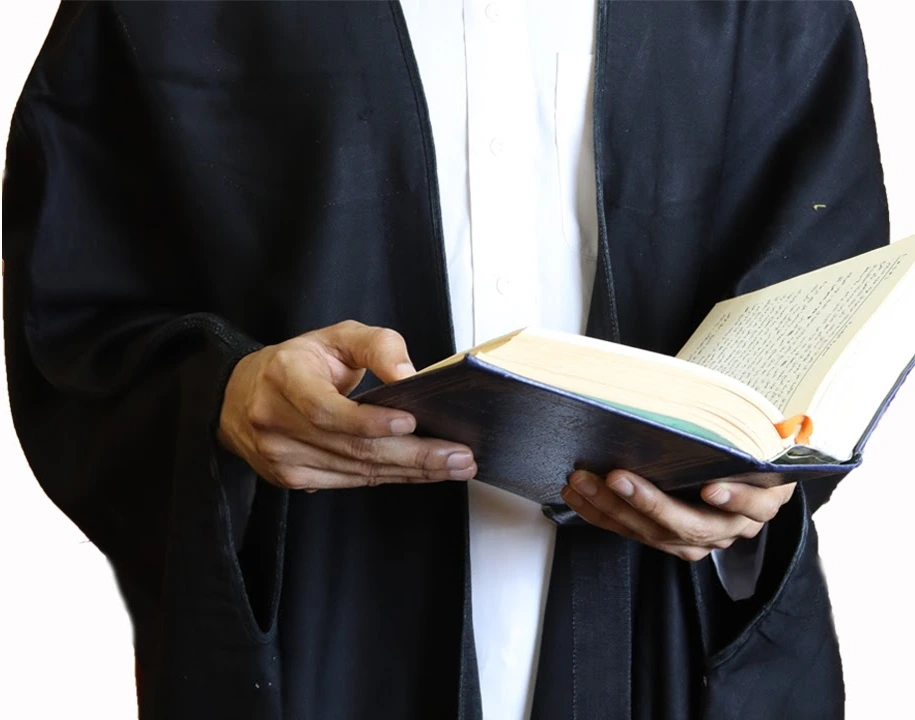
Encouraging a child to memorise the Quran requires more than setting a large target. Children need clear examples, manageable practice and reassurance when recall is difficult. Small goals, meaningful stories, suitable audio and a teacher’s guidance can make Hifz more approachable.
Focus on accurate recitation and continued revision, not only the number of new ayahs. The ten approaches below preserve the source’s practical examples while allowing families to adapt them to the child. For an early reading foundation, see Noorani Qaida for young learners.
Table of Contents
10 Ways to Encourage Quran Memorisation
1. Divide the goal into small daily portions
A whole surah can feel intimidating when presented as one task. Divide it into appropriate portions and include a day for review. The following seven-day example retains the source’s schedule; it is a sample plan, not a timetable every child should complete.
| Day | Example target |
|---|---|
| Monday | Al-Fatihah, ayahs 1–2 |
| Tuesday | Al-Fatihah, ayahs 3–4 |
| Wednesday | Al-Fatihah, ayahs 5–6 |
| Thursday | Al-Fatihah, ayah 7 |
| Friday | Al-Ikhlas, ayahs 1–2 |
| Saturday | Al-Ikhlas, ayahs 3–4 |
| Sunday | Review both surahs |
Use the numbering in the child’s Mushaf and the teacher’s plan; conventions concerning Al-Fatihah’s numbering differ. If a portion is too long or difficult, reduce it. Review earlier portions during the week, not only on Sunday.
2. Begin with suitable short surahs
The source suggests Al-Fatihah (1), Al-Ikhlas (112), Al-Kawthar (108) and Al-Asr (103). Choose a passage the child can practise accurately and divide it according to actual ability. Short length does not remove the need for careful pronunciation.
Qaida and basic Tajweed can provide the reading foundation that supports memorisation. A child may imitate a recording without recognising the printed words, so let the teacher assess reading and oral recall separately. Continue with beginner recitation steps where needed.
3. Make practice varied and welcoming
Use a small reward, colourful verse cards, a friendly review game or family recitation to vary practice. Recitation’s sound and rhythm can help a child follow a clear model, but keep the Quranic wording and pronunciation accurate rather than inventing an arbitrary song.
- Mark a suitable milestone on a chart.
- Use large, readable cards for the current passage.
- Listen to a careful model and repeat accurately.
- Make competition optional and kind.
- Invite family participation without putting the child under public pressure.
Choose the activity according to what helps your child concentrate, not according to how entertaining it looks to an adult.
4. Explain a meaningful story or theme
Understanding a suitable meaning can help the child connect with the passage. The source links three opening ayahs with simple topics for discussion:
| Ayah | Reference | Learning connection |
|---|---|---|
| ألم تر كيف فعل ربك بأصحاب الفيل | Al-Fil 105:1 | Discuss the People of the Elephant, the army associated with Abraha, and Allah’s protection described in the surah through birds and stones. |
| إنا أعطيناك الكوثر | Al-Kawthar 108:1 | Introduce Al-Kawthar as a divine gift, with the river in Paradise explained in suitable Tafsir. |
| قل هو الله أحد | Al-Ikhlas 112:1 | Explain Allah’s oneness and the theme of Tawheed in age-appropriate language. |
The source connects Al-Kawthar with patience and sacrifice. These may be topics for reflection, but the opening ayah does not itself state that causal explanation. Avoid presenting it as an explicit reason for revelation without a reliable reference.
5. Use clear flashcards for review
Make cards with large Arabic text for a small passage. Let the child identify a portion, read it accurately or recall what comes next. A simple quiz can help you notice the point where recall becomes uncertain.
Bright colours and creative activities may encourage participation, but they do not guarantee better memory. Follow the written text correctly and let the teacher check any repeated mistake. Flashcards should support the Mushaf and lesson plan, not replace them.
6. Keep daily targets modest
The source proposes two or three ayahs a day, with one ayah for a very young learner, and a practice period around 10–15 minutes. These are examples, not minimum requirements. Ayahs vary greatly in length, and children differ in readiness.
A short surah in a week may be manageable for one child and unsuitable for another. Reduce the target when accuracy or earlier recall becomes weak. A steady routine with revision is more useful than finishing new material that soon disappears from memory.
7. Select appropriate audio and practise actively
The source names Mishary Alafasy, Abdul Rahman Al-Sudais, Saad Al-Ghamdi and Mahmoud Khalil Al-Hussary. Choose a specific recording that is clear and suitably paced for the child; not every recording by a named reciter is slow or designed for beginners.
A car journey or bedtime listening routine can increase familiarity. Add focused practice at a suitable time: listen to a small portion, pause, repeat and receive correction. Parents who can recite accurately may model the assigned passage, while difficult sounds should be checked with the teacher.
8. Let parents model a realistic habit
A parent who reads or reviews regularly shows that Quran learning is part of family life. The source suggests after Fajr or before bedtime as possible times. Neither is automatically best for every child; choose a time when the learner is alert and comfortable.
If you have a genuine experience of learning as a child, share it in a reassuring way. Do not invent a story or use your own childhood as a standard the child must match. Shared effort is more encouraging than repeated comparison.
9. Celebrate a suitable monthly milestone
The source gives twenty ayahs in a month or completing a short surah such as Al-Fil as example goals. Check that the target is realistic and includes review. A chart can show progress without making the child feel that a missed date is a failure.
A book, favourite snack or family outing may mark the achievement. Praise accurate recall, persistence and revision as well as completion. Keep the reward proportionate and adjust the next goal with the teacher.
10. Seek a teacher who supports the child
A suitable Hifz tutor can make the plan clearer and help parents avoid uncertain corrections. Ask how the teacher responds when a child forgets material or needs a smaller target.
- A pace adapted to the learner’s starting level.
- Correction of Tajweed and pronunciation.
- Realistic weekly targets with revision.
- Suitable stories or context where they support understanding.
- Clear guidance for parents between lessons.
Use the child-focused teacher selection guide to assess a trial, and ask how progress will be checked over time.
Protect Revision and Keep Encouragement Gentle
New memorisation needs repeated return. Begin a session with earlier material, practise the current target and revisit it later. If the child repeatedly struggles, reduce the amount and check pronunciation rather than insisting on more repetitions of an error.
Ask what feels difficult and provide a manageable next step. Enjoyable practice, accurate feedback and a patient routine work together. See ten engaging Quran activities for children for ways to vary the home session.
Build a Sustainable Hifz Routine
Assess the actual teacher, lesson and support arrangements when choosing children's Hifz tuition. Look for relevant knowledge, patient interaction and a workload suited to the child's readiness and revision needs.
Encourage your child with small targets, meaningful explanation, appropriate audio and continued revision. Explore Talqeen Academy’s courses and discuss a plan suited to the child’s reading level, interests and family schedule.
Related Reading and Learning Options
Explore related articles and course options below. External Quran and language references are retained where they support the topic.
- hifz classes for kids
- quran recitation
- quran hifz program
- Sheikh Mishary Alafasy
- Sheikh Abdul Rahman Al-Sudais
- Sheikh Saad Al-Ghamdi
- Mahmoud Khalil Al-Hussary
- Best Time to Memorize Quran
- hifz tutor
- Talqeen Academy
- quran memorization program
 Talqeen Academy
is a globally recognized platform for learning the Quran, Arabic,
and Islamic Studies through personalized one-on-one online sessions with expert tutors.