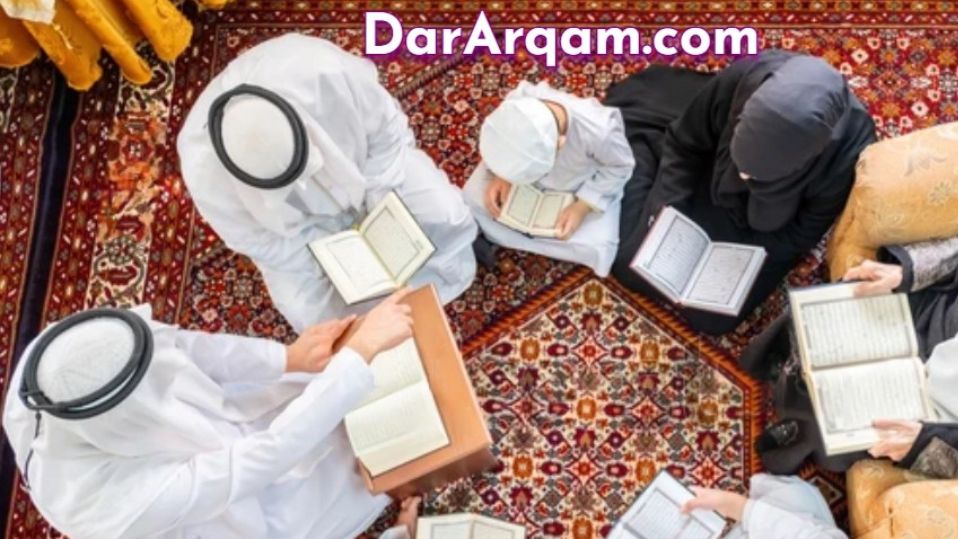
Many learners, especially non-Arabic speakers, struggle with Quranic recitation because Arabic pronunciation contains sounds that may not exist in their native language. These mistakes often include improper letter stretching, confusing similar sounds, missing Shaddah, or applying Tajweed rules incorrectly.
Common errors include pronouncing ق as ك, mixing ظ with ض, overemphasizing heavy letters like ط, or stopping in the wrong place during recitation. These mistakes may affect fluency and sometimes even change the meaning of Quranic words.
At Talqeen Academy, we help students improve their recitation through structured Tajweed lessons, personalized correction, and guided practice with qualified Quran teachers.
Table of Contents
1. Incorrect Stretching in Madd Letters
Madd letters require proper elongation. A common mistake is either overstretching or shortening the Madd. For example, learners may stretch a word more than required or fail to give the Madd its correct timing.
How to Fix It:
- Learn the different Madd types and their required counts.
- Practice slowly with a qualified Tajweed teacher.
- Listen to expert reciters and repeat after them carefully.
2. Mispronouncing ق as ك
Mispronouncing ق as ك is a frequent issue among non-Arabic speakers. Qaf is pronounced from the back of the tongue, while Kaf comes from a different point of articulation.
How to Fix It:
- Practice the sound of ق separately before using it in words.
- Focus on tongue placement at the back of the mouth.
- Repeat after a teacher until the sound becomes natural.
3. Mixing ظ with ض
Confusing ظ and ض is another common recitation mistake. These letters are both heavy, but each has a different articulation point and sound.
How to Fix It:
- Practice each letter in isolation first.
- Compare words that contain ظ and ض with teacher correction.
- Use repetition and listening practice to strengthen recognition.
4. Misplacing Stops at Waqf Signs
Stopping incorrectly during Quran recitation can affect the meaning of a verse. Some learners stop too early, pause at unsuitable places, or ignore important Waqf signs.
How to Fix It:
- Learn the basic Waqf signs in the Mushaf.
- Understand the meaning of the verse when possible.
- Practice stopping and continuing with a teacher.
5. Overemphasizing ط
The letter ط is heavy, but some students exaggerate it too much. This can make the recitation sound forced and unnatural.
How to Fix It:
- Keep the letter heavy without overdoing it.
- Listen to balanced recitation from skilled Qurra.
- Ask your teacher to correct the weight of the sound.
6. Incorrect Harakah Usage
Changing a vowel such as Fathah, Kasrah, or Dammah may change the meaning or grammatical structure of a word. For example, saying الحَمْدَ instead of الحَمْدُ is a common mistake.
How to Fix It:
- Pay close attention to the vowel marks.
- Read slowly before increasing speed.
- Revise with a teacher who can catch subtle mistakes.
7. Pronouncing ت Instead of ط
Some learners confuse ت and ط because both are similar in basic articulation, but ط is heavier and stronger.
How to Fix It:
- Practice light and heavy letters side by side.
- Repeat words containing ت and ط slowly.
- Use teacher feedback to correct the difference.
8. Not Balancing Laam in Allah’s Name
The Laam in the name of Allah is sometimes heavy and sometimes light depending on the vowel before it. Many learners apply the same weight in all cases.
How to Fix It:
- Learn when Laam in Allah’s name is heavy or light.
- Practice examples such as بالله, رسول الله, and والله.
- Repeat these examples with teacher correction.
9. Pronouncing ث as س
Many learners pronounce ث like س because the “th” sound may not exist in their language. For example, they may say سلاثة instead of ثلاثة.
How to Fix It:
- Place the tongue lightly between the teeth for ث.
- Compare ث with س in repeated practice.
- Listen to correct recitation and imitate carefully.
Conclusion
Quranic pronunciation mistakes are common, especially for non-Arabic speakers, but they can be corrected through consistent practice, proper Tajweed learning, and teacher guidance.
At Talqeen Academy, our expert tutors help learners improve Quran recitation step by step through personalized correction, Tajweed practice, and structured lessons designed for all levels.
Start Your Quran Learning Journey with Talqeen Academy Today!
Talqeen Academy is a globally recognized platform for learning the Quran, Arabic, and Islamic Studies through personalized one-on-one online sessions with expert tutors.